This week on the blog, I would like to jump into the world of numberless word problems! We want our students to be able to process what the problem is asking before they jump into the numbers. How do we get them to do that? Take the numbers out! One very important strategy we can borrow from our reading instruction is visualization! When you present word problems without numbers, students are forced to visualize what is happening in the problem.
Without the numbers, students are not distracted by the roadblocks of numbers. Their thinking becomes more open & flexible. You will see students beginning to feed off of each other. All of a sudden, word problems will be fun, their favorite part of math! I found this amazing blog post from Primary Bliss Teaching! It walks you through the steps you need to instruct students with numberless word problems. There are also 2 free downloads of resources to use in your classroom!
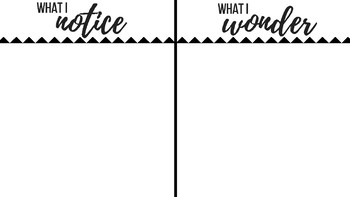
I love this Notice and Wonder strategy from The Teaching Channel to launch a numberless word problem! Take a peek below!
You can grab a FREE recording sheet from Miss Poulson on TPT by clicking below!
NWP in KINDER!!!! Check out these little problem solvers in Kindergarten.
These students are so engaged in the discussion. Along with math thinking, students are practicing their speaking and listening skills too!
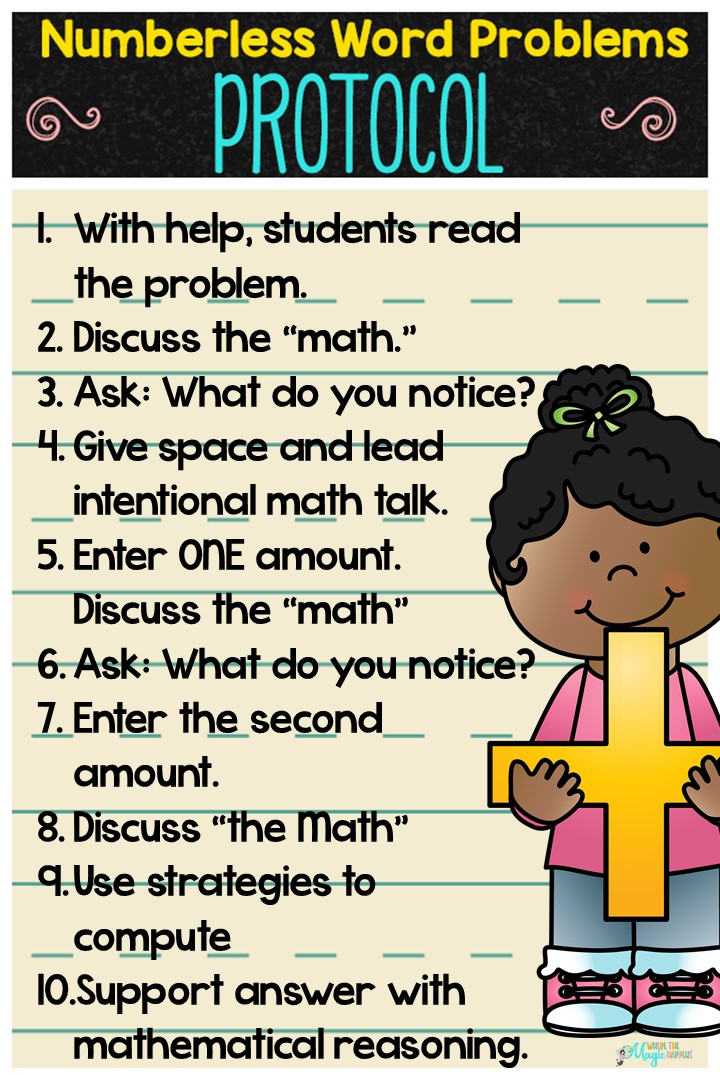
Where the Magic Happens Teaching has a great post on numberless word problems and an easy to use math frame to support students with organization and showing their work. Read more about the Protocol by clicking below!
This week on the BLOG, I want to share some resources about Webb's Depth of Knowledge. In PLCs, we have been exploring Marzano's High Yield Strategies and our Keys to Literacy supports Bloom's Taxonomy. DOK questioning fits perfectly into this instructional focus. What is Depth of Knowledge? DOK is the depth of understanding required to answer or explain an assessment item or classroom activity. Below is a great video to get you thinking about Depth of Knowledge and the classroom!
(Note the video states that DOK isn't just for upper grades!)
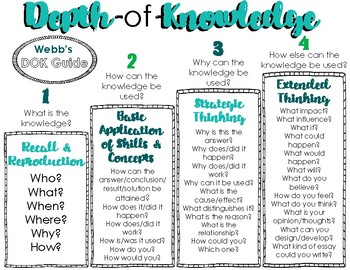
Explicitly teaching students the different DOK levels and asking them to think at certain levels is essential. When students can identify at what level they are thinking you can determine at what level they are understanding the curriculum. I love this graphic on DOK! There are provided activity ideas under the DOK wheel to support DOK in the classroom. Just click to download.
Howes in the Middle has a great poster to use in the classroom that explains the levels.
Mrs. Vanmeter also supplies us with a FREE DOK anchor chart to use in the classroom!
Another thing I love about using DOK in the classroom is that it crosses all subject areas.
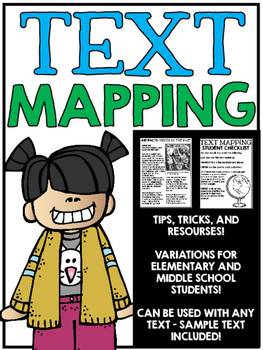
This week on the blog, I thought I would share a strategy to help support you with our up and coming standards RI.5 and RL.5
One of my very favorite strategies that supports text features & structure is text mapping! It is a visual way for students see how information is organized. It allows them to see the flow of the text and reinforces vocabulary & text features. Tips:
Choose a text that connects to a fiction story from your mini-lessons.
Color code the text features.
Allow them to record what they discovered.
Model, model, model!
Display their work!
Here are some of my favorite videos:)
This is a great blog about text mapping!
CHECK this OUT from the Creative Core!
Text mapping is such a fantastic way to get students reading closely with a text!
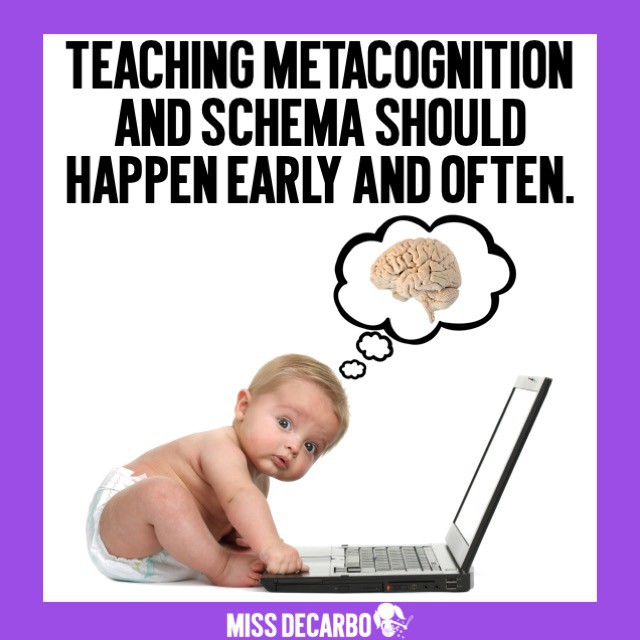
After reviewing our K1 data walls, we are noticing a need for more vocabulary instruction. Our students may not have had the opportunity to experience some things that they are being asked to read about and they are missing the vocabulary to go along with those experiences. One way that we can support vocabulary is through explicit instruction on SCHEMA.
Students with a deep understanding of vocabulary obtained that understanding by growing their schema.
I love this visual for teaching vocabulary!
*Now, I know that we can't take our students on all the trips and provide all of the experiences that they need to grow their schema but there are ways that we can support it.
Remember our VR Headsets? They are waiting to be checked out in the library. You can take your students on a virtual field trip! CLICK here to revisit my blog post on VR Headsets!
Here are some ways to explicitly teach schema to young readers:
I LOVE this little idea below. Such a great way for our students to show what they already know about a topic.
This could be done simply with a generic head cutout and some crayons. Students could draw the images instead of cutting.
I would use one color for their schema before they read and then another after reading.
Then they could analyze their illustrations and see how much knowledge on a topic they gained from reading.
I created a template for you to use in your classrooms. Just click the image to download!
Making Connections to our Text: If you read farther into the book Comprehension Connections on page 37 you will run across the idea of Concentric Circles of Connections. This is simply teaching students to make connections to texts using their schema. Check out the anchor chart below!
Here is a great video from Pow Toons about the different types of connections that students make to the text.
Don't forget about our SCHEMA Sticks!
Oh MY! If you haven't jumped on the SCHEMA train yet this blog post from Miss Decarbo will get you on board! It is filled with tons!!!!! of great information about why we need to start teaching young learners about how to activate their schema!
Adding to our schema increases our vocabulary and betters our ability to comprehend.
Happy FIRST Fall BREAK! I am really looking forward to this little bit of time off. Starting the school year early was HARD in so many ways. Short summer, tons of classroom moves, early Summer Institute, changes in testing & learning the new testing program, new curriculum, new teammates, new students, new parents just to name a few. I want you all to take this time seriously for U! Take even just a day to give yourself a little break. To pamper just U. We work hard as teachers. We give so much! This video really spoke to me about how we need to take special care of ourselves as teachers. The part about wishing our days, weeks, and months away becasue it is such a struggle to find a work/home balance is the TRUTH!
If we work at these simple things we can be that light in someone else's life! Enjoy your much-deserved break and spend lots of time with your family and friends!
Are you missing Google Classroom! Book ME! I can show you how to use Canvas Announcements and your HOME PAGE just like Google Classroom.
(If you like the template I used for my home page, you can grab it in the Commons on Canvas under Park View Template!)
You can also connect Canvas with Google! Watch this video all about how you can embed and link Google documents right into Canvas! SO EASY!
I just found out that you can integrate FlipGrid with Canvas so that your students can use the site as an accountability piece! Below you will find a pdf document and video that will walk you through the steps!
More about Canvas in the Elementary classroom!
Check Canvas out in a
First Grade classroom!
Read more about how this first-grade teacher is running her workshop models through Canvas!
There is so much that Canvas can do! Every time I head into Canvas, I find more ways that it can be used in an elementary setting. Let's share some ways we are using Canvas at PVES!
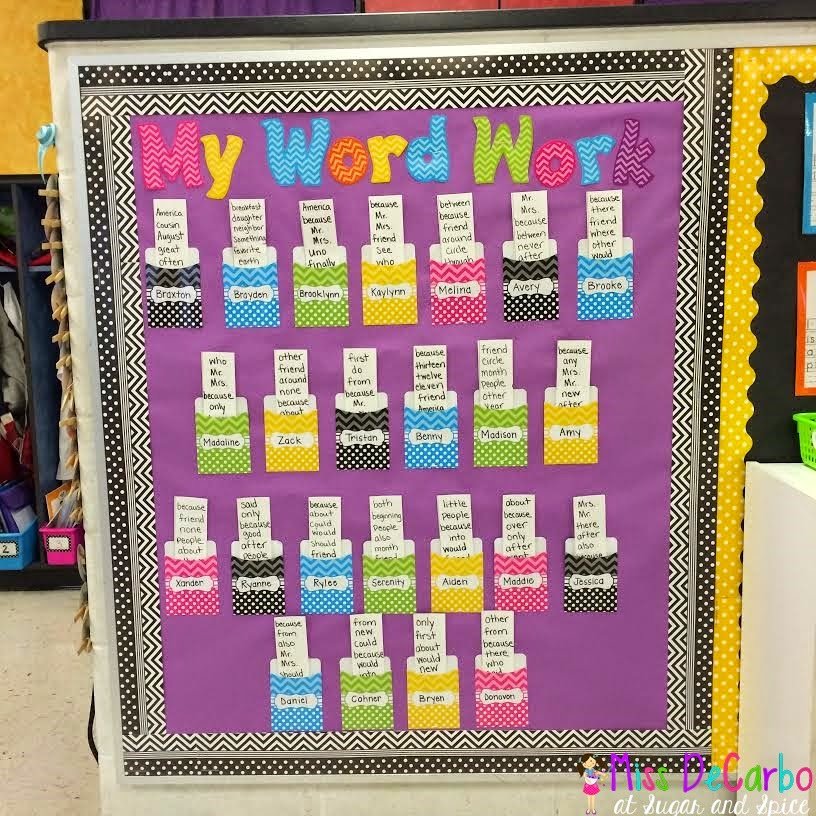
This week on the blog: Discover Words (Word Work) differentiation! As we dive into our Letterland units this month, I challenge you to take a close look at your Discover Words/Word Work centers in your workshop rotations. Students need to be working on words that are at their level and words that challenge them.
Your large group Letterland mini-lesson should cover grade-level material for ALL students. When they head into centers, students need to be working on more focused skills and phonetic patterns.
How do we do this? A quick phonics assessment that's how! This assessment and MANY other resources can be found on our district site!
Click your grade level and then click Phonics Assessment to download a copy.
The assessment is simple to give! Open ESGI (K-1) and click the phonics tab or click through to the provided slide shows. Below are the directions to administer the assessment.
Start with Section 1: Onset and Rime and have students read the words. If students read the section at 80% accuracy (20+ words read correctly), then move to the spelling task of the section. Call out the words from the section and have the students write them. If at 60% or higher (15+ words spelled correctly), continue, to the next section. If not at 60%, stop the assessment and that is where students need to have practice/instruction.
For Section 2: Blends, administer the assessment as you did in Section 1. If students read the section at 80% accuracy (4+ words read correctly), then move to the spelling task of the section. Call out the words from the section and have the students write them. If at 60% or higher (3+ words spelled correctly), continue, to the next section.
Continue with the assessment as in Steps 2 & 3.
*Once you have determined their phonetic levels, head into your Letterland resources and choose word lists that follow the phonics level for your students.
Check out the site below from our PreK-6 site! It is filled with differentiation ideas and links to support you as you plan your centers. Just click the image below!
I love this idea from Mrs. Decarpo about allowing students to choose some of their words to work on. Students create their weekly lists to take into Discover Words. Hands-on activities are provided within the word study/discover words center for the students to choose from.







:max_bytes(150000):strip_icc():format(webp)/textmap1-56b7407d3df78c0b135f1ae8.JPG)