Happy Weekend everyone! I know you all loved the little taste of spring weather we had this week. One more week until spring break!!!!
It has been a while since I shared a tech tool. During my nightly TikTok time, I came across this tool called ClassroomScreen.com.
This site is FREE and it is amazing!! You can create an engaging screen that will help with management and soooo much more!
With your screens you will have options like random name generators and a voice level monitor!!!! Perfect for center time and group work. I love that you can add your class list or several lists and the site will save them for you.
You can upload videos and Google Slideshows to your screen too! There is even an interactive whiteboard! You can change the background of the whiteboard to lines or grid paper too! This is an awesome way to have everything you need all in one place. You can even use your webcam if we are in the need of virtual teaching again.
Use the QR code generator to quickly generate a code for students to use when heading to a website.
Also, look at this interactive traffic light!!!! When the light is red there is no talking!!!! I had a real traffic light in my classroom but this one works too! You can change the light colors and add the voice level widget to go off if it gets too loud!
This poll feature would be awesome for our morning meeting check ins! As the students vote a bar graph is generated on screen. There are some other math tools that can be utilized too like dice and clocks.
These videos will walk you through all of the options that you have on this free site!
Happy Friday ALL! It is GATEWAY season and our 3rd grade is HARD at work preparing to present to our school and our community. It got me thinking...presenting is a life skill that we can start developing with our kiddos. Below I am going to share some resources to support this in your classroom.
One of the ways I made sure I was hitting my speaking and listening standards in my classroom was to have students present on Fridays during our morning meeting. Each week a student was chosen and they prepared a presentation about themselves to share with the class. These presentations allowed us to work on eye contact, communication skills and listening skills.
Students were given a presentation form and were encouraged to be creative. We used a rubric to help score our presentations and set goals for what we needed to focus on in the future.
This simple system fit easily into the share part of our morning meeting routine.
(Keep in mind, I did this with my first and 2nd grade classrooms.)
You could also take this to the next level and have students report on stories they have written like an Author's Chair or have them research and present their findings.
JOKES!!!!! Who doesn't LOVE a good joke!
This is life skill that is going to help them in their future and starting early can really set our kiddos up for success.
Training your audience is also important. Students need to learn to be active listeners. How to give feed back and also get it. This skill supports language comprehension!!!!!
This blogpost has some great ideas for getting started with presenting. I can see our kiddos loving the Would I Lie to you activity. I also loved using debates in the classroom!
These videos would be awesome to use with your students!!!! Great advice from a student's prospective.
The CHOP is hilarious! Please watch these!!!!!!
Share this TedTalk with your class. This little guy is amazing!
And the BEST part?????? It is directly related to The Science of Reading! We NEED language comprehension to move to reading comprehension. Hop over to this blog to learn more!
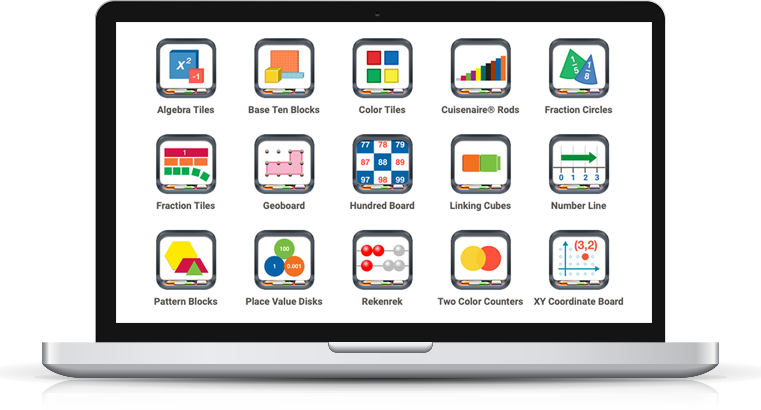
This week in Third Grade, Jemma visited and shared a training for our teachers about our up and coming cluster. One of the resources she shared with us is Braining Camp. I know we have talked about it before and many of you are using this in your classrooms but I think it is worth revisiting.
Check out a quick overview of this resource Braining Camp below!
No need to login at all! It is in our Classlink!
Teachers can use them on their smartboards!
Students can login on their devices!
Here is a quick tutorial to get you started! I love that there are different mats for you to use with each tool.
Check out the tutorial pages by clicking the image below! (They do take a bit to load.) Each tool has a tutorial that goes along with it. If you are struggling with SmartINK...you can use the pens to mark up your math lessons!
You can create links and codes to share out with your students!!!! (Great for word problems!) Just click where it says share on the sidebar of the tool! You also can click the lightbulb to get ideas to use in your lessons!
Here is a video that shows you all the share options!
Finally, there are webinars listed to help support you with the apps and building lessons for your students!
Braining Camp is sprinkled throughout our curriculum guides. So, if you are looking for something our guides would be a great place to start.
Hi All! Thank you for another wonderful week at PVES. Great discussion in PLC about Data Meeting Follow UPs!
I know with our focus on Dibels, you all have dug deeply into your students' areas of need. I love how we have adjusted our Patriot Block groups to meet those needs.
Today on the blog, I wanted to dig into fluency. I know that was one area that our kiddos struggled with. I feel like this is a great opportunity to peel back the layers and really focus on why we are assessing fluency.
What is fluency?
Reading fluency is the ability to accurately read at an appropriate rate while demonstrating prosody and comprehension of the text.
Keeping these 3 components in mind will help students develop into fluent readers that can access the comprehension of the text.
Fluency is the bridge to comprehension!
Dr. Jan Hasbrouck explains fluency in the video below.
Just like our systematic approach to teaching phonics, there is a fluency continuum that allows us to build on each component.
Early fluency instruction begins with mastering the Alphabetic Principle and the sounds of all the letters to form a firm foundation. Once students have become fluent with individual letters and sounds, then working with groups of sounds and syllables becomes a priority.
Students then move into blending sounds together, they become more fluent reading individual words, building vocabulary knowledge.
Fluency then advances to reading increasingly larger chunks of text starting with phrases and moves to sentences and longer passages.
Teachers will need to adjust instruction backward or forward along the continuum to meet the needs of students.
Supporting Fluency?
Modeling fluent reading is soooo important!
We can do this through our IRAs!
Students can also use multiple reads of the same text. Adding in rhyme and poetry to make those reads fun and engaging.
Readers Theatre is another way to help students focus on the text as a performance.
Check out this blogpost from Sarah Snippets! It breaks down the continuum with activities that you can implement easily!
Also over on Twitter, check out Tim Rasinski! He posts fluency activities every Friday!
Hi All! Thank you so much for all of the work you put into our data meeting this week. I love how you all worked together to represent our students and our school. As we begin our Patriot Blocks, warm up activities can be so valuable hitting different holes our readers are struggling with. Word Chains are perfect activities for our students to engage in & they are provided in our Fly Lead Book sets.
What is a Word Chain????
A word chain is a hands on activity that helps students build neural connections for automatic word recognition. It helps to map the orthography of words to sounds. Students will explore the relationship between phonemes and graphemes as they listen for the sound change in the words. Word chaining supports phonetic patterns, manipulating sounds in words & reading words. Students will be activity engaged in "chaining" which is a sequence of words that can be made by changing just one sound.
Changes can be at the beginning, middle or end of the word.
Here is a simple video to walk you through a word chain. When you are planning your small group lessons, word chains would be a perfect fit for a warm up or making words activity. Connecting the skill/pattern for your chain should support your mini lesson from Letterland. Remember there is power in repetition!
Word Chains can be made with the following materials:
Magnetic Letters
Letter Cards
These are the cards that come with our Flyleaf Kits:
Dry Erase Boards & Markers
Jamboard!
Have your students organize their letters as vowels at the top and consonants in the middle, then a space for the word building at the bottom.
Click the image to grab a copy of this word chain board in Jamboard!
Be sure that you ask students to change one sound at a time.
Those changes can be:
adding a sound
deleting a sound
changing a sound
Here is an example of a word chaining lesson from one of our emergent reader lessons in Flyleaf. Click Here to view the whole lesson.
Once the word has been built, students should tap under each letter and say the sound. Then run their finger under the letters and read the word.
This video from Reading in Room 11 is great for walking you through the process!
Here are some FREE resources that help you get started word chaining with your students!
Pair this lesson with a decodable text or passage with the corresponding skill and you will make a POWERFUL connection for your students!
Hope you all enjoyed the snow this week! I know I loved being snuggled up at home and the short week we had. Much needed rest for ALL!
I spent time on Wednesday going over our data slides and that included our behavior for our school over all. From what I am hearing in PLCs and what the data shows we have many students struggling with some Executive Functioning Skills. I know we are striving for Rigor and Relationships in our district but we can't ignore that our students may not be ready for learning to happen due to developmental, pandemic or outside repercussions.
What is Executive Function AGAIN?
In a nutshell, Executive Functions are cognitive skills that aid in thinking and self regulation. They call on your prefrontal cortex to help with decision making and goal setting. Executive Functions help us manage our feelings and actions during day to day life.
Executive Function is broken into 2 strands. Sounds familiar right?????? (SOR and the reading rope.)
Makes me think this is something that we REALLY NEED to pay attention too!
Check out what EF skills are developed at certain ages. This is very interesting in seeing exactly where your students may lie in their development.
(Give it a CLICK to make it bigger!)
Take a look at the EF skills below. I bet students in your classroom that are struggling academically also struggle in one or more of these areas.
This blogpost from The Pathway to Success is incredible!!!! It walks you through each skill and what it looks like in the classroom & what your can do to support it.
There are even separate posts about interventions that can be put in place to help support the specific skill development.
This video is one of my favorites!
EF is like an air traffic controller!
As educators, we always know that we have to focus on the whole child and not just the academic piece. I want us to keep this in mind when we dig into our data. Title 1 will be supporting students but we know there will be a chunk of students in our classrooms that will need more support than ever.
Love the idea of offering information to parents about what they can do at home to help strengthen their students EF skills. Grab this freebie!
I know this may seem like another thing to teach but I encourage you to look at embedding these skills in your lessons. Such as teach planning skills when you are doing a research paper. Or use games! Check out the link below!
I love this video to share with students about EF and how they work for them!
Here are some simple things that you can do to help explicitly teach and support the development of these skills in the classroom.
Don't forget about our Behavior Problem Solving website! So many incredible resources for you to use with your students to help support EF skills.
Welcome Back! I hope you all had a wonderful and relaxing break! I sure did!!! This week, I know you spent lots of time getting your kiddos back into the swing of being back at school. (I spent time getting myself back into the swing of being back too!)
On the blog, I wanted to bring back an oldie but a goodie! Metacognition! U know I love it! As you know, explicit instruction is crucial for young readers. Modeling your thinking is just one way you can address metacognition during your literacy block. In the past, we have used our Think Bubbles & Reading Salad.
Check out this video all about Metacognition for a quick refresher!
I came across a new Strategy that I know it will be super powerful in small groups! Here is how to get started!
In large group, read a text and point out what parts of the text triggered your thinking. (Recording those thoughts in a think bubble would beneficial for them to refer back to.) This is your explicit modeling time!
Such as:
Aha moments
Questions
Connections
Inferences
Small Group Metacognition Strategy
Guess my Thoughts!!!!
I love this activity and so will your kiddos! It is a perfect activity to reinforce your large group modeling. Guess my Thoughts fits perfectly into small group and to centers. Simply choose a text and record your thinking as you read a section on sticky notes. (This would be great for one of our F & P books. Then use it in your small group or copy the section being used for centers.)
Show the students your sticky notes first and read your thoughts in no specific order.
Allow them to then read the text and guess what parts of the text triggered your thoughts. (I would copy the page and label where Post its may occur.)
Pass out small posts its, one with a smile, star and square. Ask students to place their post its in front of them matching where they occur in the text.
Be sure that they pin point what part of the text they think triggered your thinking.
Allow students to choose one of the sticky notes and write how they feel about your words. Do they agree or disagree and why?
This sheet will work beautifully for a center work activity! Just click the image to download a copy!