Wednesday, October 20, 2021

This past week in PLC we discussed adding in more nonfiction text to support out F & P text sets and our Science and Social Studies. This Quarter, we will be jumping into Text Feature and Text Structure so I thought touching back on this topic wold be helpful.  
 
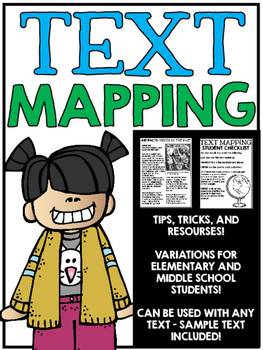
One of my very favorite strategies that supports text features & structure is text mapping!  It is a visual way for students see how information is organized.  It allows them to see the flow of the text and reinforces vocabulary & text features.   

Text Mapping can be used to teach Reading Comprehension, Writing skills, Study Skills and Course Content. The text is presented on scrolls and the mapping that the students will do is explicit based off of teacher modeling. 
  • The text will be shown as a whole.
  • Students will have random access to all parts of the text all at once. 
  • Student will use concrete, multi-sensory thinking skills to manage abstract thinking tasks 
Text mapping teaches students to be strategic thinkers and active readers through the following:
  • Text mapping & the scrolls force students to move forced  They will walk back and forth along the length of the scrolled text.  Reading becomes a physical, as well as mental activity.  (I LOVE THIS!)
  • The marking of the text can simply be done using pencils, pens, colored markers, highlighters, etc. This act forces students to physically interact with the text.  This process of marking forces students to think and to make decisions.

Tips: 
  • Choose a text that connects to a fiction story from your mini-lessons. 
  • Color code the text features.
  • Allow them to record what they discovered. 
  • Model, model, model!
  • Display their work!

Here are some of my favorite videos:)  

This is a great blog about text mapping!
CHECK this OUT from the Creative Core!
Text mapping is such a fantastic way to get students reading closely with a text! 
photo signature.png

Thursday, October 7, 2021

Fall BREAK FUN!

Welcome to Fall Break!  I hope you all have some relaxing and fun activities planned!  You absolutely deserve every second of this break.  I am so very proud of the work you have done so far this school year and our students are going to GROW like crazy! 

BUT...this is your time now!  This post is for you!  Lots of ideas for relaxing and enjoying the Fall season!

Know that you are appreciated!  BIG Time!

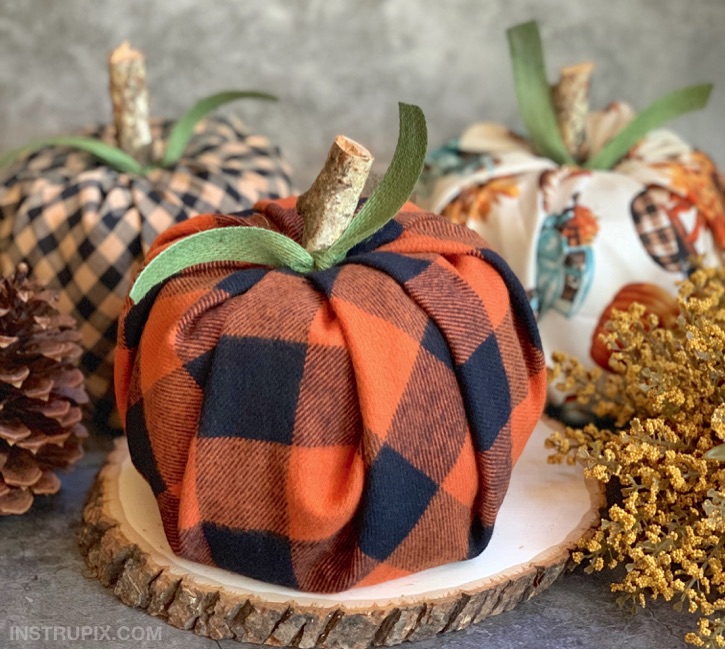
So let's start with a craft!  I am totally making these!!!! How adorable would these be around your house???? Click the picture to find the directions. 

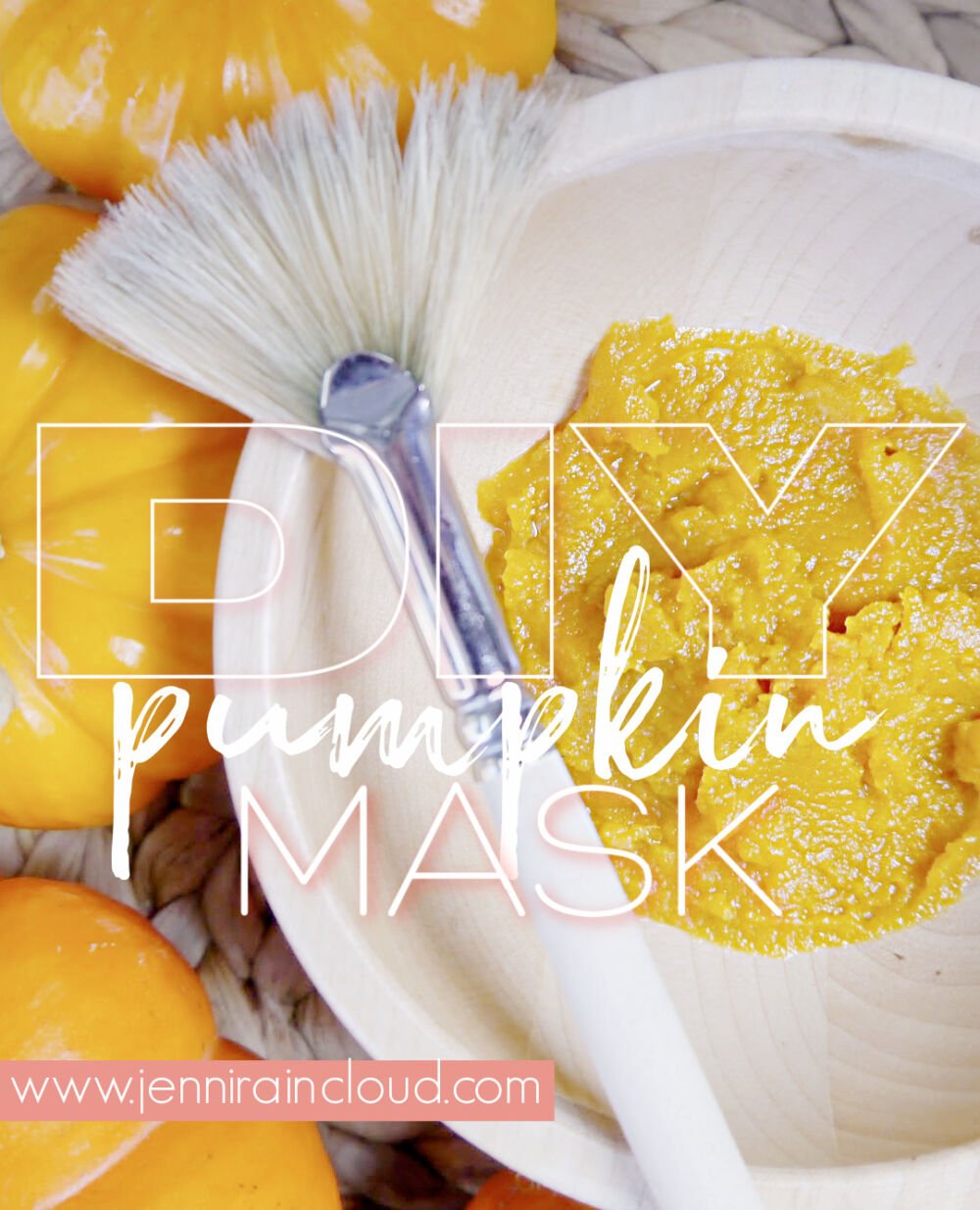
And a little self-care...A pumpkin face mask! Grab the recipe over at at Jenni Raincloud.  

Fall Family Bucket List!  I love all these ideas for fun with the whole family! Click it for a printable version. 
Or a bowl of warm SOUP!  This is a Schroeder Family Favorite!  It doesn't take many ingredients but it is sooo yummy with some cheese and bread! Lily has already made it for her roommates!  (I use half spicy and half regular sausage.) 

Watch a movie and grab some Scarecrow Crunch! 

Here is a list of October MOVIES! My kid's favorite was the Heffalump!  

This is a Fall Favorite in our neighborhood!  Boo your neighbors!!!!!! This blogpost tells you all about it!  We put a white grocery bag over the top of our mailbox and turn it into a ghost to show we have been booed!  Kids LOVE it and you can totally Boo and adult too! 
Heck, just spent some quiet time enjoying having no PLC, no papers to grade and NO ONE calling your name! I appreciate you! 


photo signature.png 

Monday, September 27, 2021

*Fullscreen* Interactive Google Slides

Hi All!  Thank you for all the wonderful discussions during PLC this week.  Digging into our data is going to be so helpful as we work to support our kiddos in CORE and in Patriot Block. 

I am so excited about the SMART goals we set as a school! 
Check them out below! 
We will check back on these goals during our next data dig!  
Today, I have something pretty cool for you. A new tech tip!  I am hoping this will be helpful when you are working in our slide shows especially for math.

How many time do you wish your screen was bigger so your students could see better?  But you know if you U do that you will have to use present mode and lose the use of the manipulatives.  

Whelp, worry no more!!!!  There is a Google Chrome extension that can help with this!  
This extension will allow you to present but also have access to the toolbar and any of the movable pieces in your slide show.  In order to get back to your slide deck, you will just refresh your page. 

Check out this video and see how it work! 

I am thinking this will help tons with word problems, calendar time, and any other slide shows that you have with movable parts and pieces! Hope this helps!  


photo signature.png

Monday, September 20, 2021

Retrieval Practice

This week on the blog, I want to share a cognitive strategy to support learning in your classrooms.  That strategy is Retrieval Practice!  It is a simple practice where students retrieve and practice past learning. 

Check out this video all about Retrieval Practice!
It is so interesting to hear the reasons why cognitive psychologists support retrieval practice as a way to cement learning for students.  By using low stake quizzes to check in on students learning, you are able to force them to "RETRIEVE" new skills and  improved test scores.  The fact that the students were "quizzed" more allowed them to retain more information.  

Basically, if we spend more time asking students to retrieve information out of their brains and less time trying to put things in there... they will learn more.  

So, how do we make this happen in the classroom?  Check out these super simple and easy strategies below!

Think Pair Share: Ask students to share what they have learned from a lesson with a partner. 


Low Stakes Quizzes: Quizzes or check ins that don't count against their grades.  Use games like Quizzes, Kahoots, and Polls.  

Brain Dumps or Storms: KWL, Can, Have, Are charts are GREAT ways to allow students to retrieve learning and then organize it.  The Teacher Toolkit has a great video on KWLs.  Check it out below!
Science of reading supports tapping into background knowledge to support students with comprehension.  These graphic organizes are spot on! 

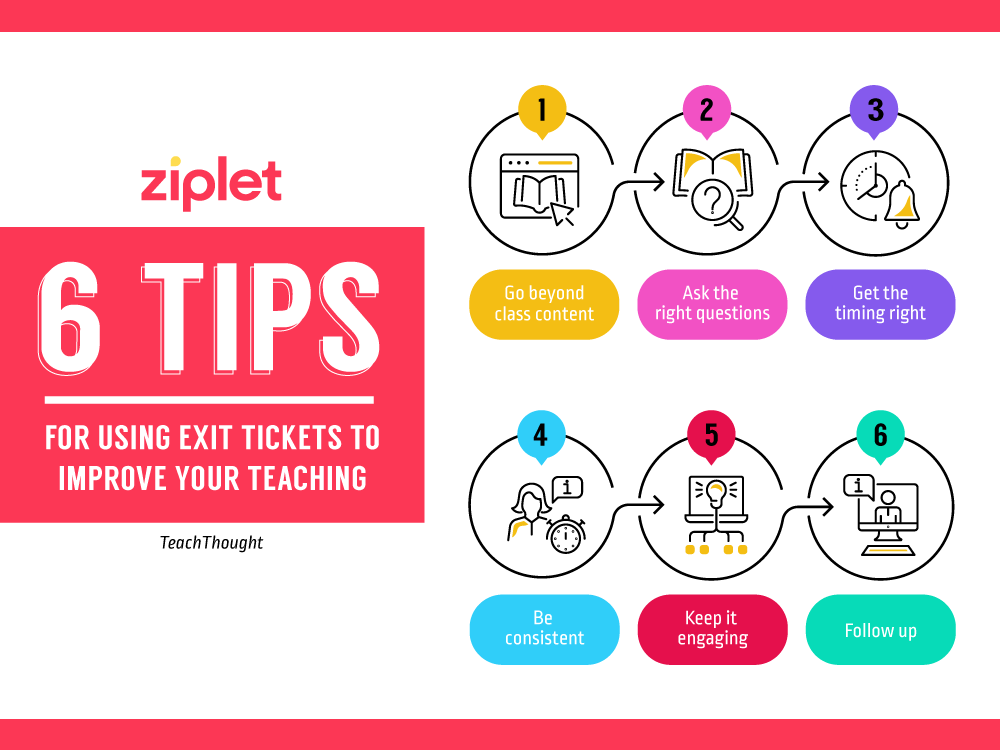
Exit Tickets: A perfect way to do a QUICK informal check on learning.  Exit Tickets can be paper pencil or even verbal.  Check out Teach Thought for digital Exit Tickets!
More examples of Retrieval Practice would be: 
  • Journal Prompts
  • Sentence Starters (related to recent learning) 
  • Concept Maps 

Be sure to keep in mind, retrieval practice is NOT assessments!  
Retrieval practice is ABOUT learning.  

I know at first the idea of this may sound a lot like testing but research shows that the more someone practices retrieval or actively engages with a subject, the better long term learning is. Finding ways for students to activity engage with retrieval of information during a lesson or just after is the key. 

The process of retrieval actually helps to cement learning for students by strengthening their schema.  

Know that when using retrieval practice you will need to do it in small bursts over time.  When students struggle to recall concepts, they are actually making stronger connections about the topic in their brain. 

This smore is filled with tons of great information about retrieval practice and how you can make it a common practice in your classroom.

Check out these retrieval practice questions and guide to get your students thinking and retrieving!  Thank you Retrieval Practice on TPT!


photo signature.png


Wednesday, September 15, 2021

Mind Meister

Hi PVES!  We made it!  Another week down!  Thank you for all your hard work and patience with our school year and our construction journey!  

I thought it might be fun to share a tech tool with you all!  I stumbled across Mind Meister this week and thought your kiddos would love how engaging it is. 
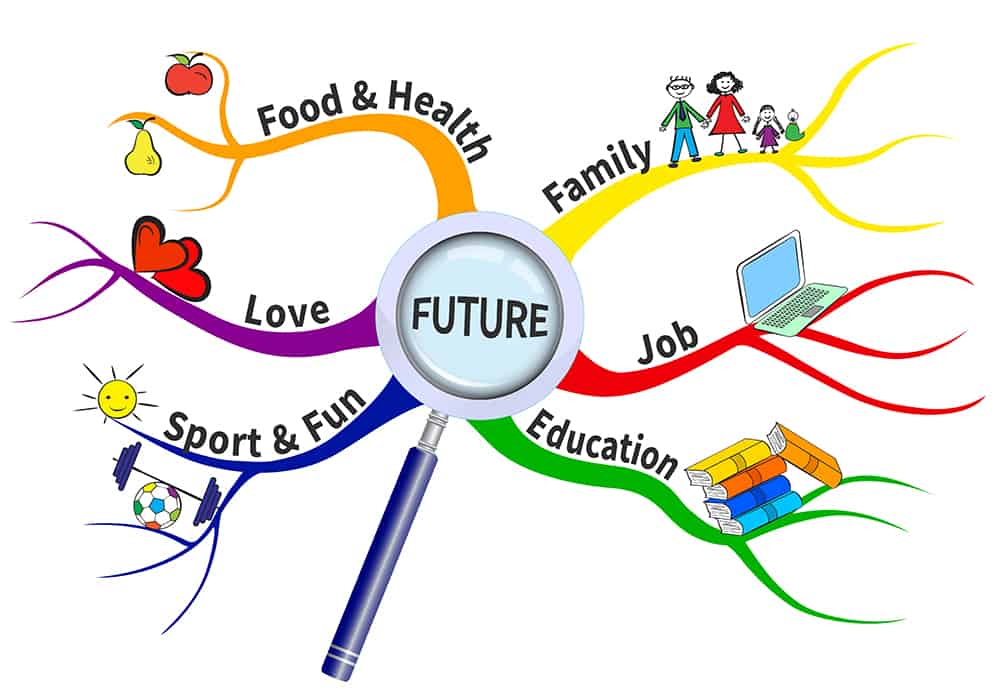
It helps students visualize their thinking through mapping. 

Mapping is a a brain based approach to teaching and learning designed to build foundational, critical thinking, problem solving, comprehension and communication skills necessary for academic success. 

Did you know that when you give your students a map or a graphic organizer it activates METACOGNITION? 
This approach can be super beneficial for our Tier 2 and Tier 3 kiddos!  It allows them to organize their thinking in a visual way.  I am seeing this used in reading, writing and in math!   

What is MIND Mapping? 

For our younger grades, teachers could create them as a class to model thinking during discussion time.  You could also print out the maps for your students to add to. 

Check it out below! 


  • I love that they have pre-made templates!  
  • You can even add links & notes for students to visit.
  • You can share the maps and students can work in partner groups. 

There are lots of ways to customize your Mind Maps! 
This blogpost walks you through more information about Mind Maps and how they can be helpful to your students. 

Let me know if you give this a shot with your kiddos!  
You can create a FREE account easily with your gmail.   


photo signature.png

Thursday, September 9, 2021

Bridges

Happy Friday EVERYONE!  Thank you for the awesome week at The VIEW!  Great talks during PLC this week and I am looking forward to Title 1 and Patriot Block starting next week.   

Our goal in MTSS is to start getting some more math interventions going for our kiddos.  Keep in mind, if they already have paperwork for reading, you can just add to it.  If they don't have paperwork for reading, you will need to start new paperwork. 

I thought it would be helpful for us to take another dig into the materials and the program itself.  

Bridges is Interventions provides targeted instruction and assessment for essential skills K-5 within a tiered system of support.  This system is intended to complement regular math instruction.  It is ideal for small groups or individually.  Students will work with models to spur thinking and build confidence.  Lessons will start with maniplulatives and move to 2 dimensional representations and end with mental images. Bridges Intervention is organized by content rather than grade.  It supplies progress monitoring so support each 30 minute lesson.  

All intervention lessons are aligned with the common cord.  Click the binder to see how the CCSS are organized in the binder.

What are the components of Bridges?


Alison, our past math coach,  did a great video explaining how we can use our ISIP summary reports to help target where we need to start with a student.  


 Google Slides
Keep these slides in mind when choosing a placement test for your students. 


How do I check out my intervention materials?

While you wait,  watch this video to get you started in downloading all the materials! 
Or you can visit the PLC materials to check out volumes and manipulatives. 
All manipulatives will be checked out through 

Keep in mind that these modules can be used in the classroom during small groups too!  
There are lots of games to spiral throughout centers! 

Remember that we have a link on our PreK-6 site that houses all our math intervention training materials.  
Remediation/Enrichment: Keep in mind, I do have access to the Bridges Math Curriculum that would be awesome for your remediation/enrichment lessons. 
(Please reach out if you need any of these files downloaded!) 


photo signature.png

Wednesday, September 1, 2021

What is Scaffolding Anyway?

Thank you so much for all of the great discussions from PLC this week.  I know digging into our data can be hard at first but I am so grateful that we have the guidance of our Title 1 team!  

This week on the blog, I wanted to dig into scaffolding and how we can simplify this process in our classrooms. 

What is the difference between scaffolding and differentiating? 
Scaffolding means breaking up a lesson or activity into manageable chunks while providing a tool or structure with each chunk. 
Example: For reading, you may review vocabulary, preview the text, and read in chunks.  

Differentiating involves giving students an entirely different text or activity based on skill. 

Scaffolding is what we do first to help students become successful with grade level material. 
Differentiating takes place when students are struggling with scaffolded material. 

Let's learn more!


Modeling for students is our first step in scaffolding a lesson. That is why the I DO, We Do, and You Do routine is so important.  This is a great opportunity for you to model, scaffold for your class and then narrow down who needs more scaffolding in order to be independent. 
Along with modeling, mini lessons are also really powerful when used for reteaching.  Sometimes students need to just hear or see the information presented in a different way. These mini lessons are  perfect for your small group time.  Add an exit ticket to collect data on where your students are after the reteaching.  

Think Alouds are also powerful scaffolding tools.  They allow students to tap into background knowledge.  This is a great time to help front load vocabulary for a text or lesson.

Providing students with a graphic organizer is also a fantastic way to scaffold information.  It provides a systematic way for students to organize newly learned material. These organizers also allow students to express their thinking.  

Check out this blogpost from Edutopia about 6 Scaffolding Strategies to use with your students! 

We can dive more into this during our PLCs! 
photo signature.png