Wednesday, January 23, 2019

Q3 More ways to teach SCHEMA!

Welcome to Q3!  Thank you to all that spent the morning with me yesterday talking about SCHEMA!  I can't wait to see your Schema Sticks and One Minute Schema Determiners in your classrooms!

I wanted to share some more ideas to get even more explicit instruction about schema into your classrooms and lessons.  I LOVE this little idea below.  Such a great way for a student to show what they already know about a topic.  

This could be done simply with a generic head cutout and some crayons.  Students could draw the images instead of cutting. 

I would use one color for their schema before they read and then another after reading.  
Then they could analyze their illustrations and see how much knowledge on a topic they gained from reading.  


I created a template for to use in your classroom.  Just click the image to download!


If you read farther into the book Comprehension Connections on page 37 you will run across the idea of Concentric Circles of Connections.  This is simply teaching students to make connections to texts using their schema.  Check out the anchor chart below! 
Here is a great video from Pow Toons about those different types of connections that students make to text. 
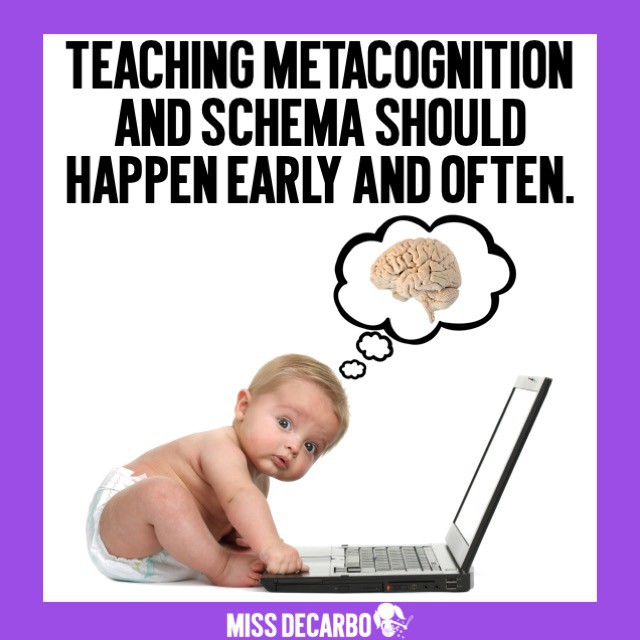
Oh MY!   If you haven't jumped on the SCHEMA train yet this blog post from Miss Decarbo will get you on board!  It is filled with tons!!!!! of great information about why we need to start teaching young learners about how to activate their schema!
Happy Planning!


 photo signature.png

Wednesday, January 16, 2019

Q3 Book Clubs

Welcome to Q3!  I can't believe we are this far into the school year.  As testing comes to an end, we have a great opportunity to look at our NEW data and make changes in our instruction.  

I have had some questions about Book Clubs and how they can benefit some of our high flyers.  I have compiled several resources for you to check out.  I have novel study sets in my classroom you are welcome to borrow if needed.  

Benefits of Book Clubs: 

  • Expose students to different types of text
  • Promote a love for literature
  • Foster interaction and collaboration
  • Help students gain new friends and interact with different students. 
  • Gain new perspectives
  • Practice teamwork
  • Problem Solve
  • Presenting Skills
  • Support writing skills
  • Nurture reflection and self-evaluation
                                                 
The Teacher Trap has a great post on how to get Book Clubs up and running in your classroom!
I love the focus on real reading!

This is an AWESOME post about creating a reading culture in your classroom!

The idea of Jot Spots from Two Little Birds Teaching would be fantastic for students in book clubs to jot down their thinking and then have their post its to share during a group discussion time. 

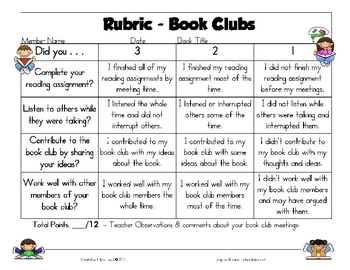
Grab this FREE rubric from Rocking Teacher Materials on TPT! Hilary's book club resources are amazing!


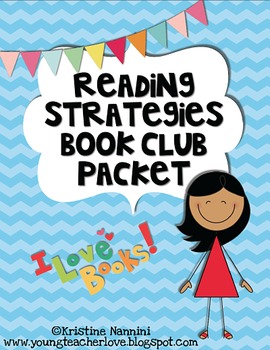
Kristine Nannini at the Young Teacher Love blog has a great resource that includes assigned jobs for the students to use during the book club. 

Here are some ideas for novels for ages 9-12 from Mom to 2 Posh Divas.  If you decide to read The City of Ember,  let me know.  It is my FAVORITE!

I would love to plan a book club with you!  


 photo signature.png

Wednesday, January 9, 2019

Q2 Number Talks


Hi Park View!  This week, our math coach visited our BTNT meeting and shared all about number talks.  It really got me thinking about how mental math is such an important part of growing our student's mathematical toolkit.  

Consistent Number Talks give students the confidence to manipulate numbers/math in a way that makes sense to them. 

Here are some tips from her presentation:


She shared an AWESOME website that had tons of quick-ready to use number talks. It is called, Which One Doesn't Below.  Check it out below!

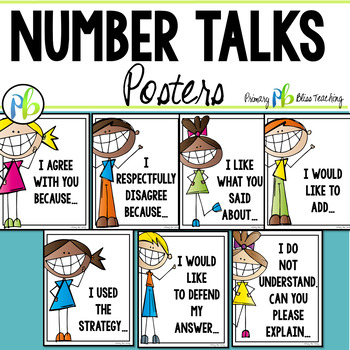
I also found these FREE printable posters to add to your number talks from Primary Bliss!  I love the "I would like to defend my answer"poster-HELLO PEAK!
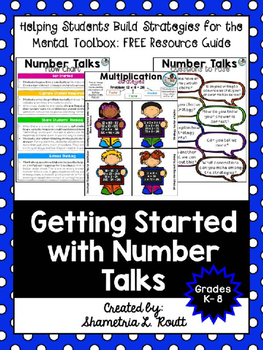
The Routty Math Teacher also has a great FREE file on getting started with number talks.  

A NUMBER Talk in K:
A NUMBER TALK in 1st Grade:
A NUMBER TALK in 2nd Grade:
A NUMBER TALK in 3rd Grade: 
This video really stresses the importance of number talks.  It digs into how number talks level the playing field for students who think differently about math. Allowing students to have the opportunity to use trial and error is essential in building confidence in math. 
So in just 15 minutes a day, you can start improving your students' feelings about math and increase their number sense while also providing a safe place to share and learn. 

Happy Planning!


 photo signature.png

Monday, December 10, 2018

Differentiating in the K-3 Classroom

Let's talk differentiating! 

In a nutshell, differentiating is tailoring work to meet individual needs in the classroom.  You can differentiate content, product, process, and learning environment. Using continued assessment and flexible grouping allows continued success as students progress. 

Check out these examples of differentiating in the K-3 classroom and how we can better meet our 
M-Powerment Strategies!


Watch this video all about differentiation!  

Content: 
M-5 Differentiation and Personalization & M-4 Data Driven Instruction

  • Using reading materials at various levels.
  • Providing a listening option for reading materials.
  • Leveling spelling or vocabulary lists. 
  • Presenting materials with different learning styles in mind.
  • Meeting in small groups to reteach or frontload information. 
Process:
M-9 Students Skilled for Success
  • Providing tiered activities that allow students to work on material with different levels of support. 
  • Developing centers with learning styles in mind for students to encounter at their own pace. 
  • Using timers, agendas, or a check-in system so that students can complete work at a slower pace.
  • Providing manipulatives for reading and math work. 
Product: 
M-10 Student Engagement & M-7 Checks for Understanding
  • Encouraging student different ways to express their learning. 
  • Providing rubrics that match different learners.  
  • Allowing students to produce work in groups with predetermined guidelines of what the project will contain. 
Learning Environment: 
M-1 Collaborative culture of Caring
  • Providing a quiet working environment and a place for students to collaborate and work in pairs or groups. 
  • Using learning activities or tools to meet the diverse needs in your classroom.  
  • Have clear and consistent guidelines for independent work/group work. 
  • Keeping to a predictable routine to provide independence for all learners. 
  • Create a learning community by helping students understand their unique learning styles and acceptance for other's styles and needs.  
Check out these simple differentiation ideas from Performing Education!


Good Stuff from The Primary Gal!

Let's not forget our gifted learners!  They need differentiation too!  Check out this blogpost for Miss Giraffe!


 photo signature.png

Tuesday, December 4, 2018

Surviving the Holidays

So...it's December!  The spirits are high in every elementary school.  While spirits are fun, we still have the curriculum to teach.  How do we embrace the chaos & still keep our students engaged?

Below you will find lots of ideas to bring some engagement to your lessons: 


One of my favorite service learning projects for this season is the Pajama Drive through Scholastic!


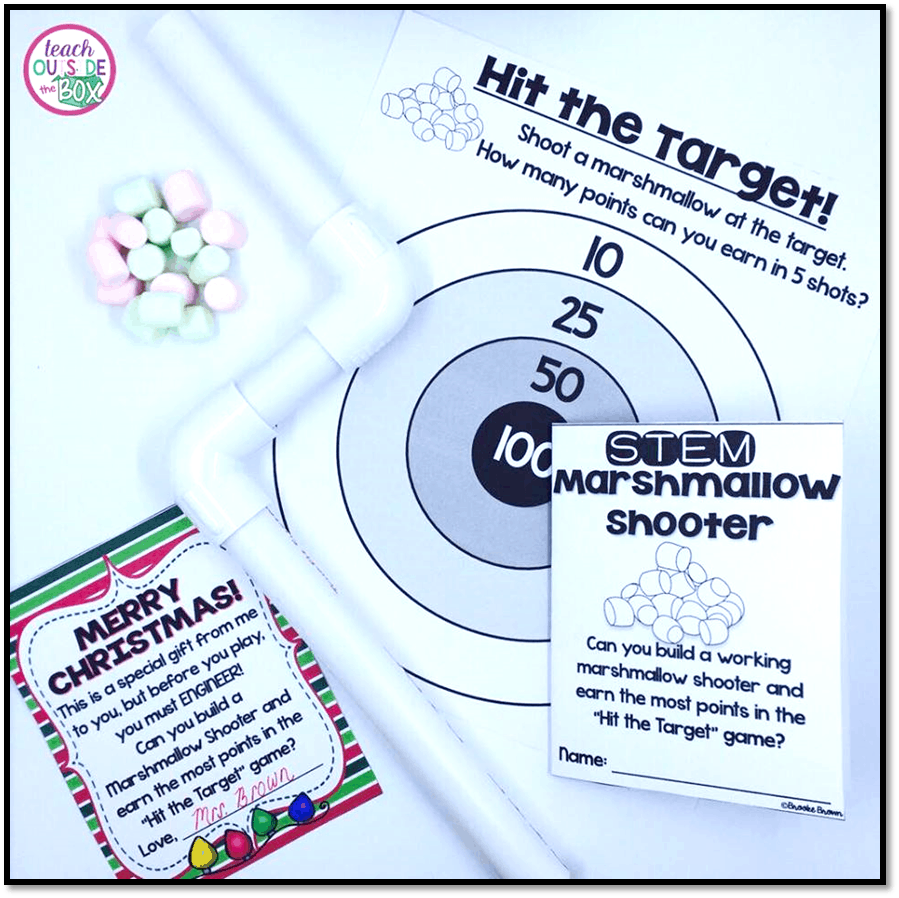
How about this FREE Winter STEM Marshmallow Shooter


We Are Teachers has a great idea of sending home some scented holiday playdough.  Maybe they will get some making words practice done over break!  You could even add in a list of holiday words for your students to practice!

Check out these Christmas Trees!!!!  These are perfect for a STEM challenge!


How about a compliment present!  A gift for students from students!  

Do you have an elf?  Check out these 24 Zero Elf on the Shelf ideas for your classroom from Me and B Make Tea


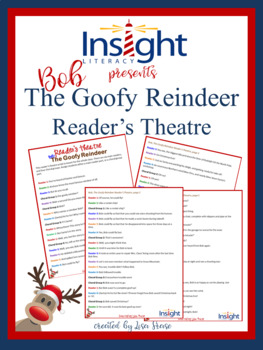
Or try some reader's theatre from Lisa Frase on TPT! 

Hope these ideas help you head right into the New Year with some holiday fun! 

   photo signature.png

Wednesday, November 28, 2018

Q2 Studio in Discovery Ed

This week on the blog, I wanted to share something extra special from Discovery Ed!  If you love the ease of creating a SMORE then you will be over the moon about the new DE Studio!

DE Studio is a creative and collaborative tool that will totally engage your students!  You can create boards for your students to work independently on or in small groups.  You can even assign digital content.  
Click the image below to head to Studio in your Discover Ed account!
Once you view the video, you will see that there are a variety of templates that you can use to help begin to build your board.  You can even assign Studio boards!

Adding new pages will allow your students to collaborate within a board and build their own pages.  

Students can use the chat panel to collaborate and you also can give feedback to students through this option. 

Visit a simple Christmas Around the World project I created in Studio!
Giving students the opportunity to research in DE through Studio encourages curiosity in a safe environment.  

Studio boards are now compatible with iPads!  Now even our youngest learners can be assigned teacher created boards to explore and learn from.   

How do I get started?

Head to Classlink and click Discovery Ed!  Then choose the lightbulb on the left and you will be all set to start creating!


 photo signature.png

Wednesday, November 7, 2018

Q2 Podcasts

Q2 is in full swing and I know you all are looking for innovative ways to engage our students!

What about PODCASTS? 
Remember the days of listening to the radio and visualizing the words coming from the speaker? Well, now your students can practice this using podcasts that are created just for them. 
Using podcasts in the classroom as whole group or as a listening center is a fantastic way to get kids thinking about innovative topics like space and volcanos.  

There are podcasts geared around all different types of topics and they are so engaging for students to stop and listen to.  Or even stop and jot during! 

*Use a podcast to flip your classroom and have your students front load with the podcast before your lesson begins-even as a homework assignment! 

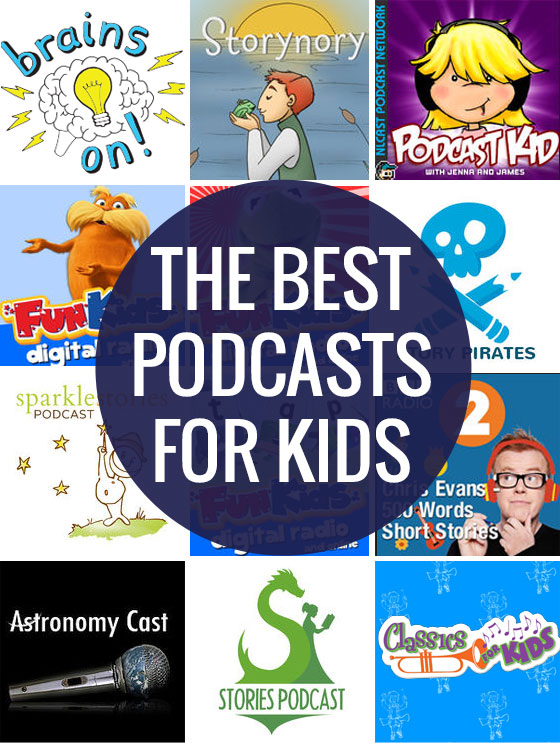
Check out some student-friendly podcasts from Cult of Pedagogy!  I wish I had stumbled across the podcast on the bat cave closer to Halloween!  It would have been awesome to see their faces as they listened as the bats flew into the cave! 

 (Just going to put that one away for next year!)
Do you want more Podcasts?  Check out the list over at PickleBums!  So many fun podcasts to share with your students!
Lots of podcasts written by kids!  HELLO!  A perfect way to get kids writing!!!!  


I love the idea of Sketch Noting
(From The Secondary English Coffee Shop) 
Hand out a large sheet of paper and lots of colored writing utensils.  
Play a podcast in a large group setting and have students use words and pictures to record their thinking during the podcast. 
There are even podcasts for teachers!  Check some out from Angela Watson and the Cornerstone for Teachers!


 photo signature.png